In a dynamic and rapidly evolving global landscape, the construction industry stands as a cornerstone of India’s economic growth, contributing a substantial 9% to the nation’s GDP and employing a staggering 74 million individuals, both in urban and rural areas. However, despite its significant role, this sector faces its fair share of challenges, with workforce shortages and inadequate access to skills leading to financial burdens, such as cost overruns, and operational hurdles, including project delays.
Even in the age of digital transformation and the unprecedented growth of the realty segment, the construction industry grapples with a distinct gap that impedes its progress — the lack of collaborative partnerships among industry players, innovators, and government stakeholders to develop scalable models for skilling construction workers. The root causes of these challenges are multifaceted, encompassing insufficient investments, limited incentives for industry partners, slow technological integrations, and low levels of aspiration among the workforce.
As a result, there is an urgent need for collective action to establish ecosystems that foster innovation enterprises within the construction industry, with a direct and indirect impact on the semi-skilled and unskilled construction workforce.
The issue of skills mismatch and the scarcity of employment opportunities extends beyond India’s borders, representing a global concern. Additionally, rapid changes in labor market demands necessitate continuous retraining and upskilling for workers of all age groups.
Recognizing these pressing issues, the Construction Skill Development Council of India (CSDCI) has embarked on a mission to engage with industry stakeholders and skilling organizations, fostering collaborative opportunities aimed at accelerating organizational growth and addressing critical skill development challenges.
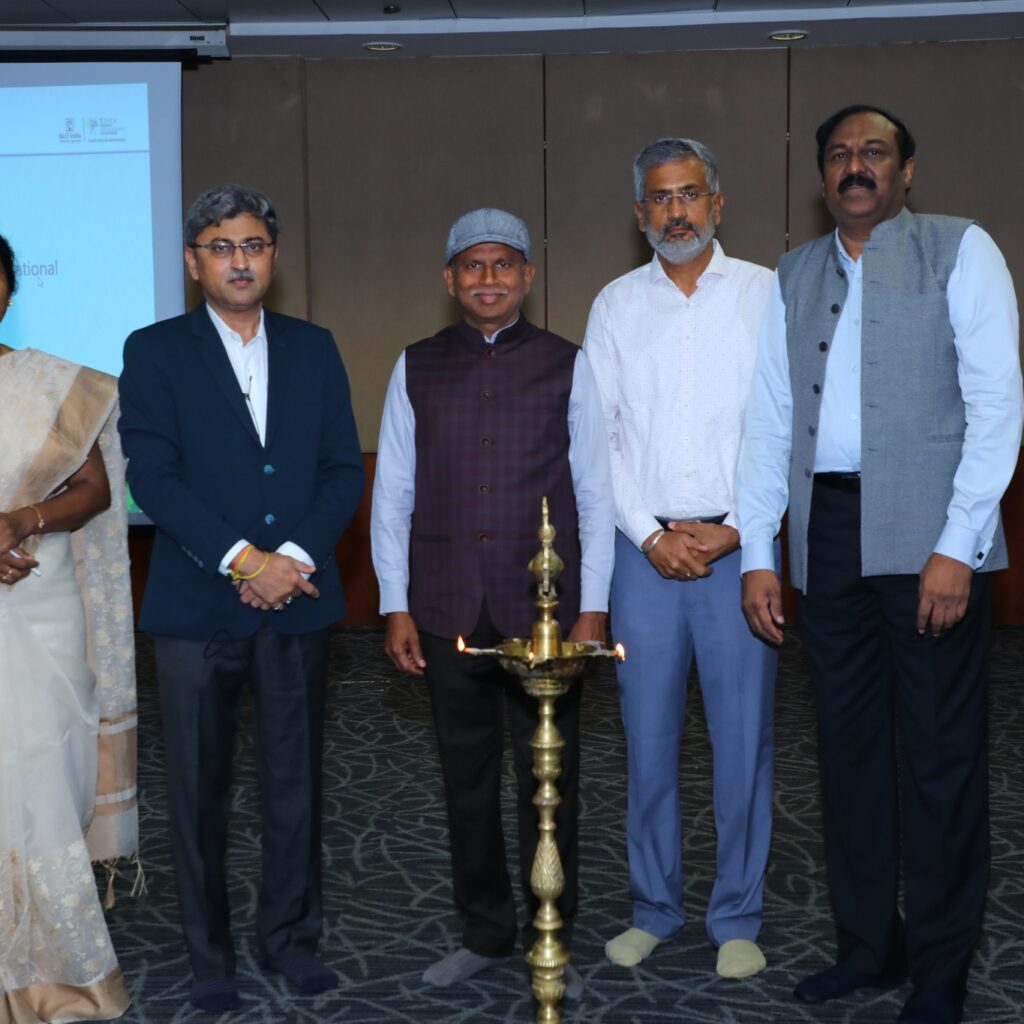
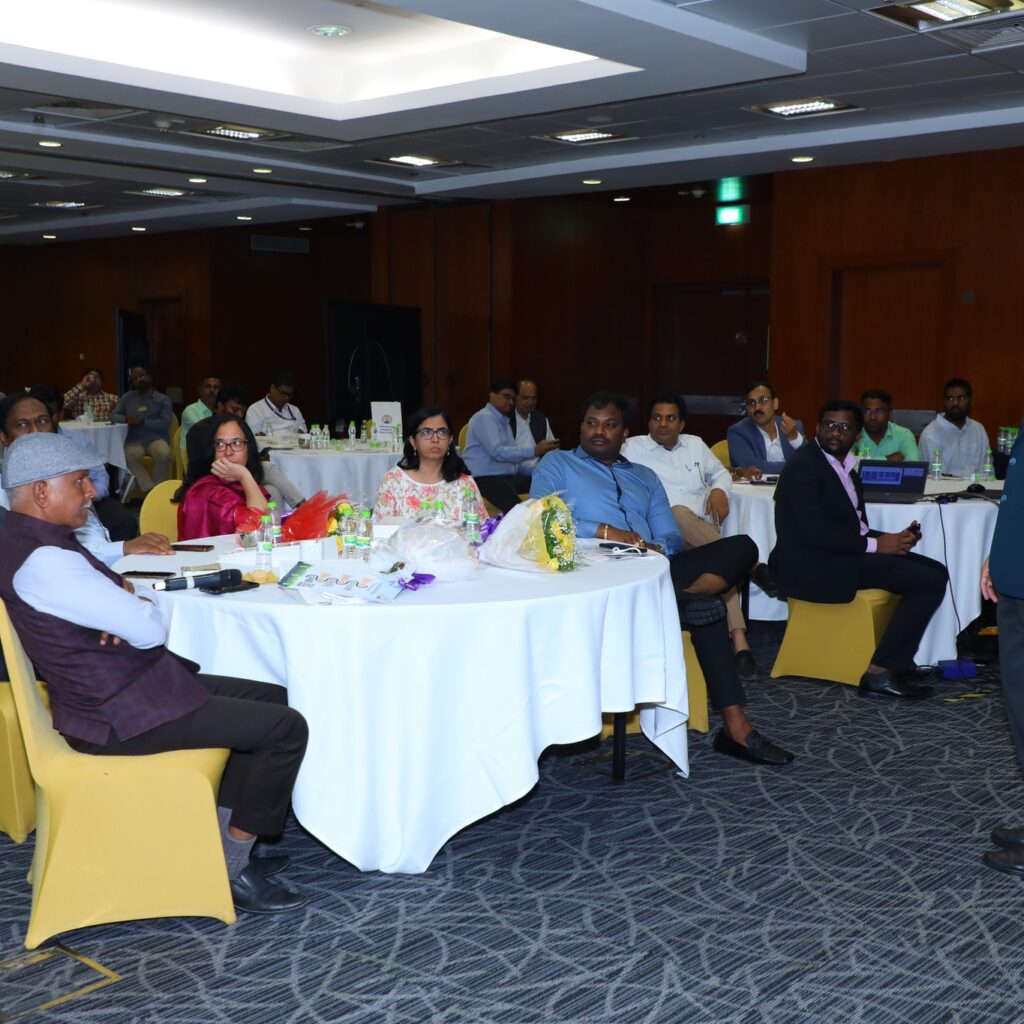
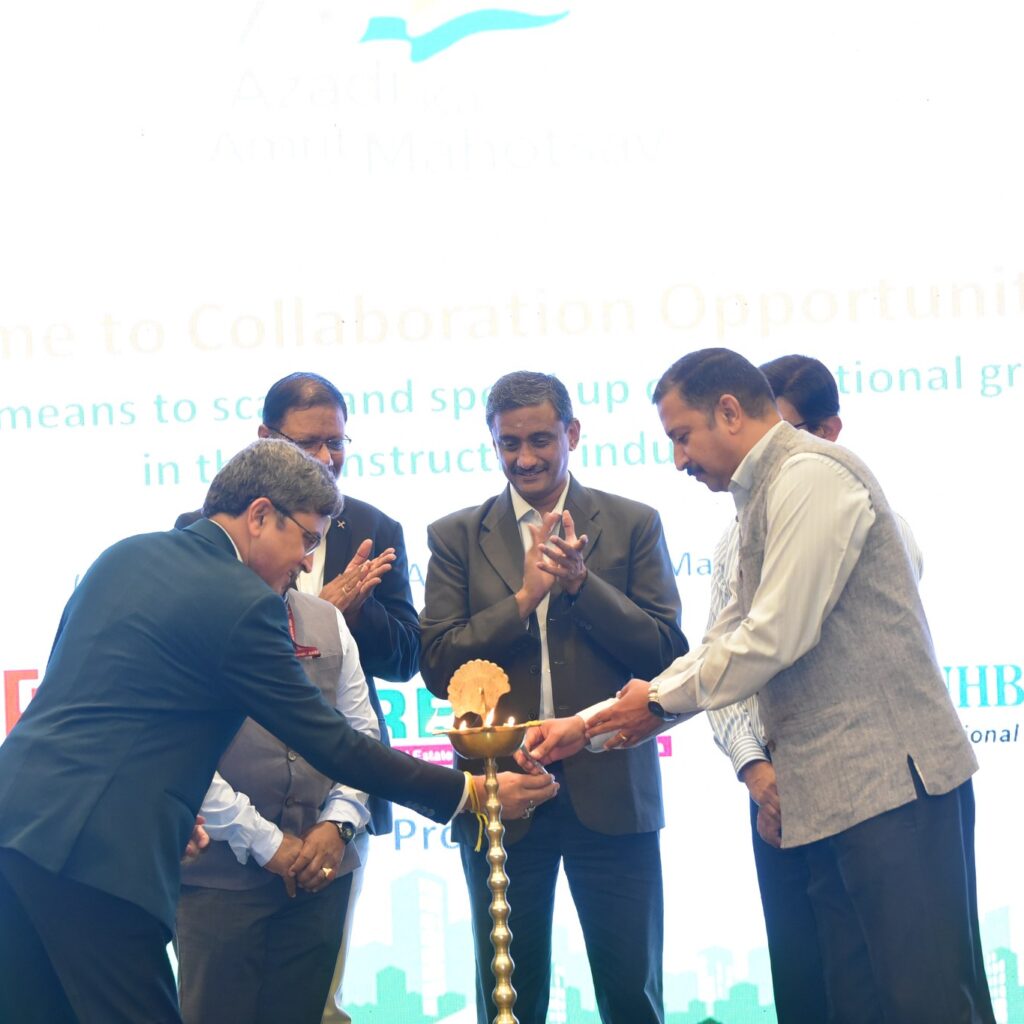
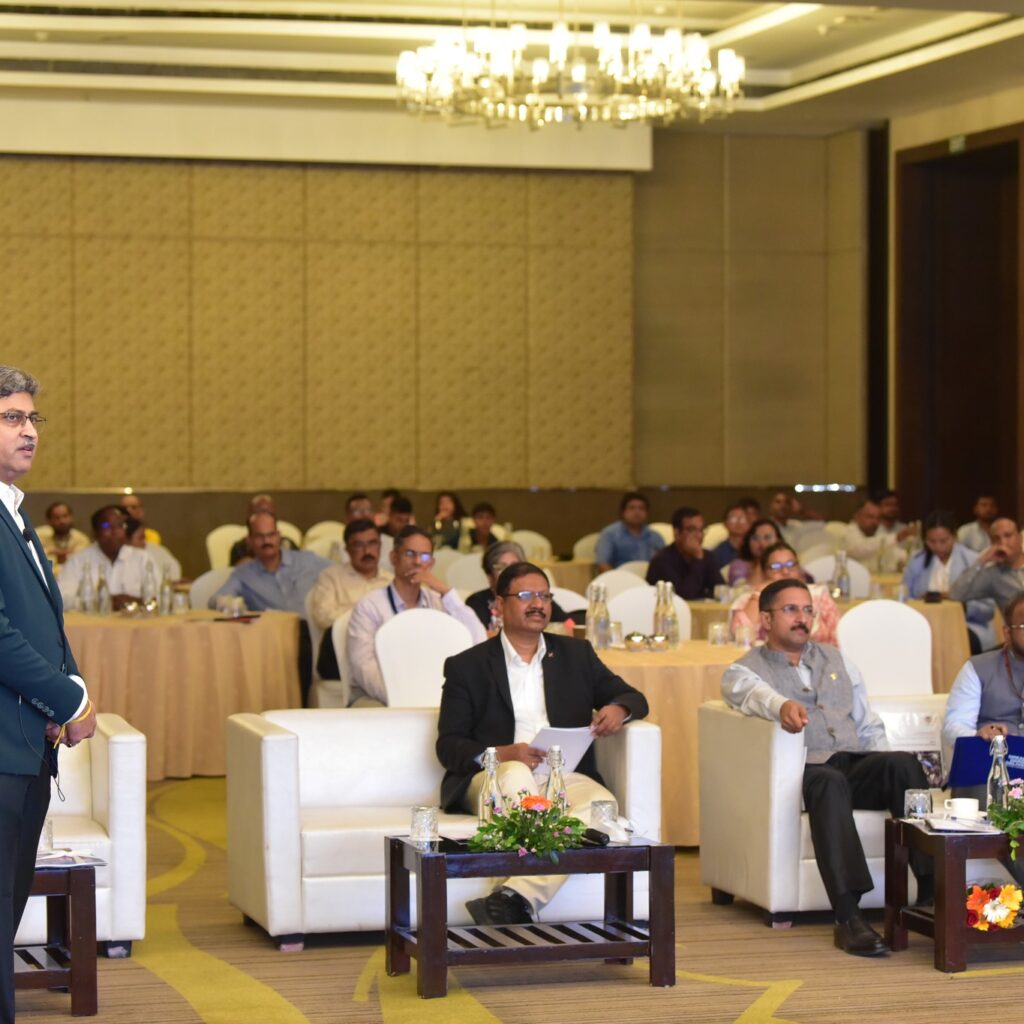
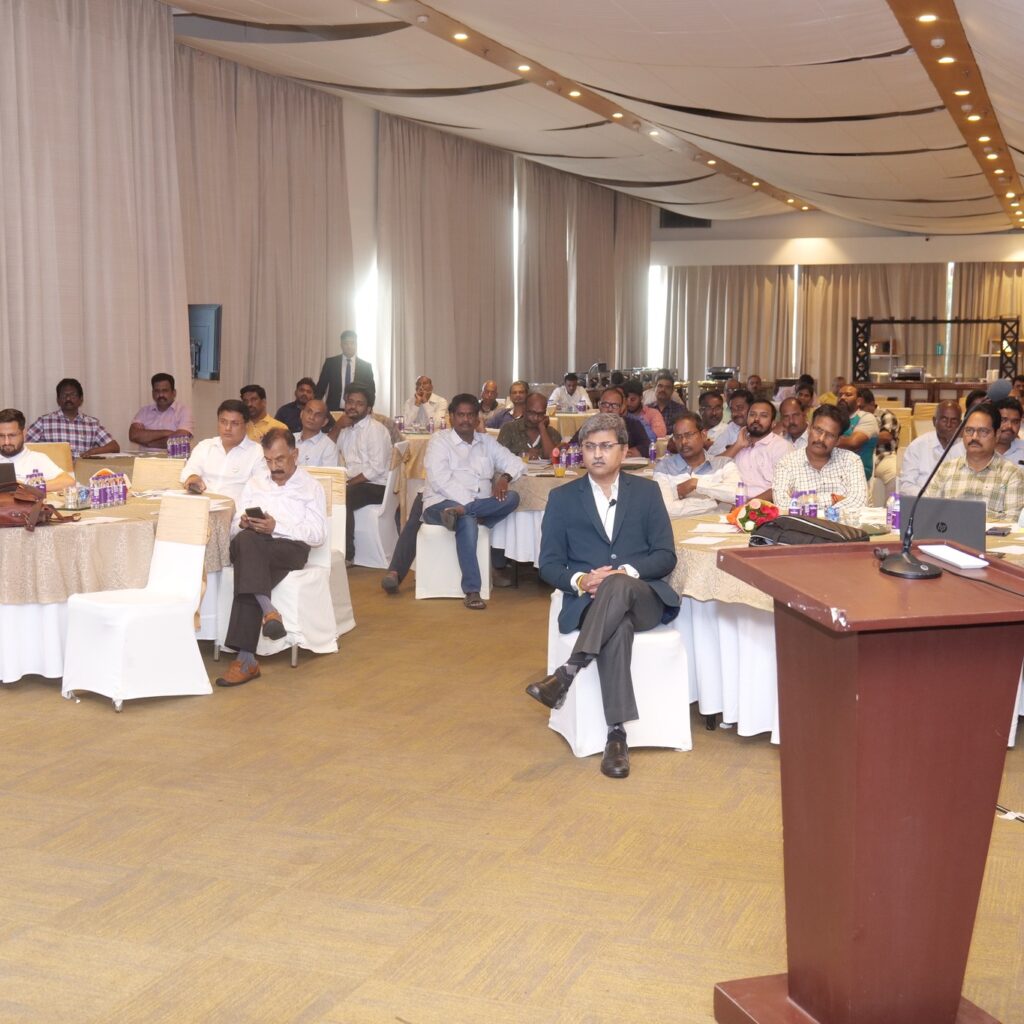
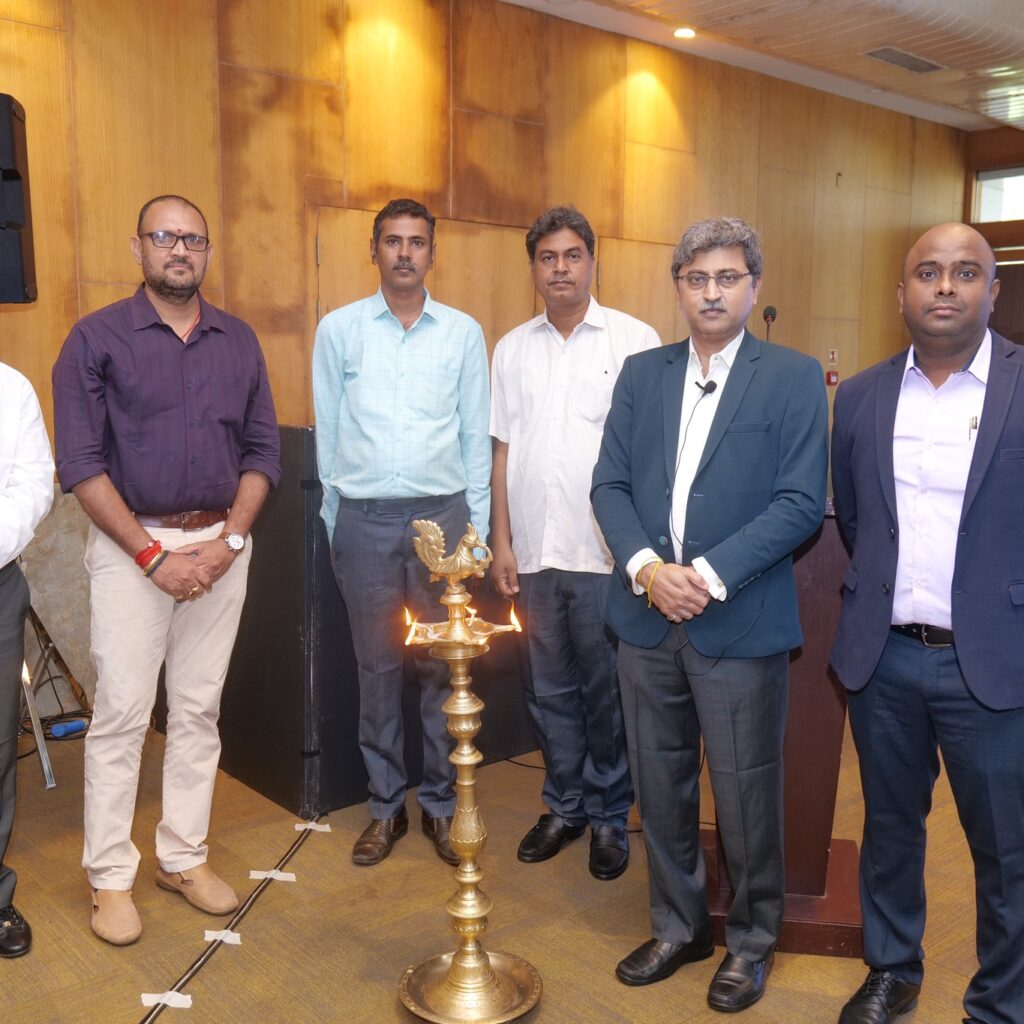
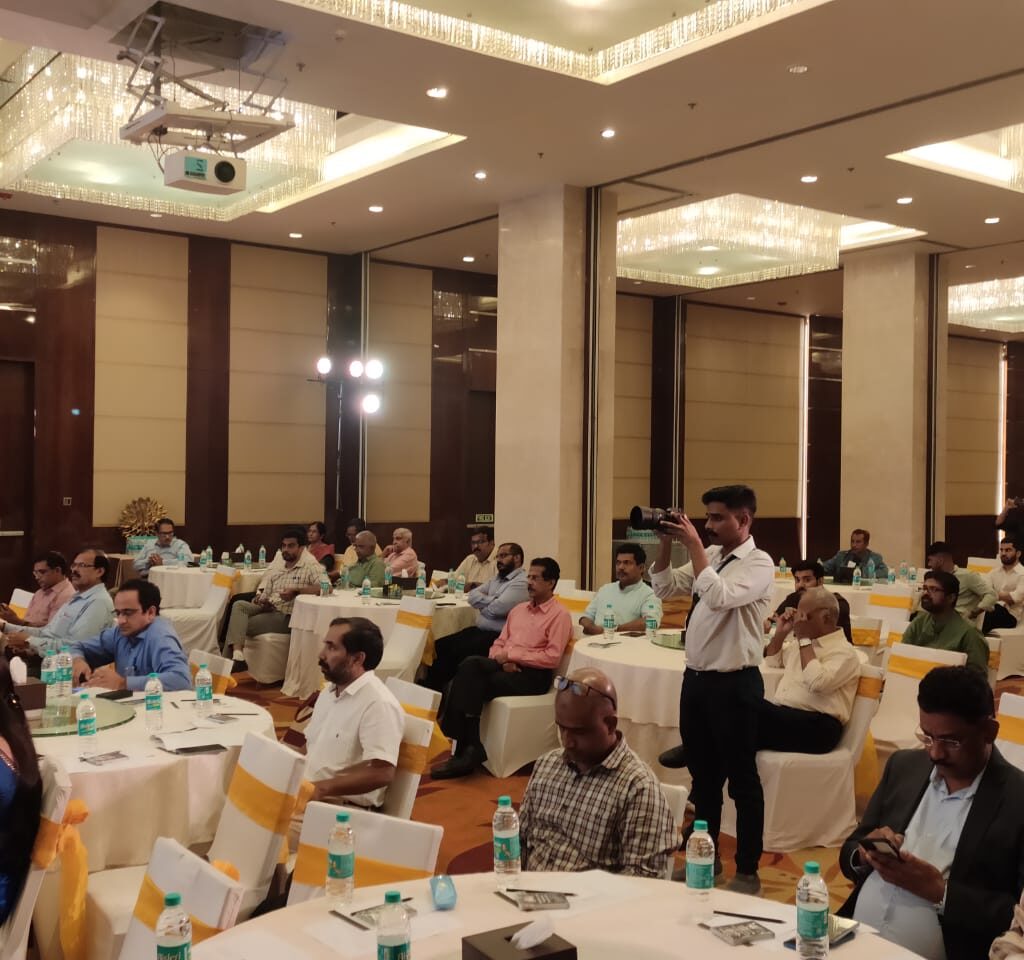
The inaugural event, “Collaborating Opportunities – Ways & Means to Scale and Speed up Organizational Growth,” which took place on May 22nd in Hyderabad marks the first of many initiatives to come.